TİM President Warns of Financing Squeeze: Competitiveness Eroding Despite Record Exports
Türkiye'nin dış ticaret cephesinden gelen temmuz ayı verileri rekor ihracat hacmine işaret etse de, sanayicilerin yüksek üretim maliyetleri ve finansm
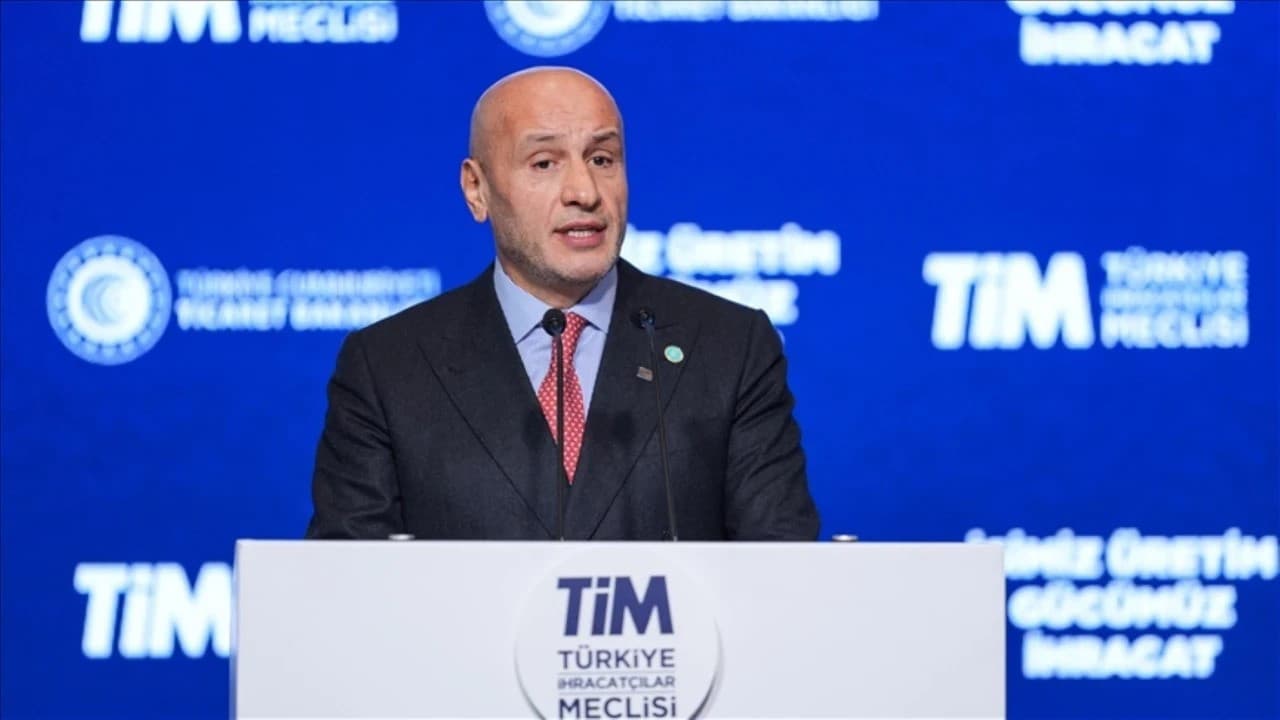
While Turkey's foreign trade data for July points to near-record export volumes, it reveals a stark reality: local manufacturers are rapidly losing their global competitiveness due to soaring production costs and severe bottlenecks in accessing affordable finance.
Structural Erosion Behind the Record Export Figures
Mustafa Gültepe, President of the Turkish Exporters Assembly (TİM), announced that July exports reached $25.6 billion—the second-highest monthly volume in history—but cautioned that this growth should not mask deep-rooted structural crises. Having battled high costs for three consecutive years, key industrial sectors are experiencing a decline in competitiveness and a failure to democratize export growth across the wider business base.
The Financing Squeeze and Bottlenecks in Rediscount Credits
Macroprudential measures, shaped by high inflation and tight monetary policy, are severely restricting exporters' access to low-cost financing. With market borrowing costs starting at 45-50 percent, the real sector is heavily relying on Central Bank-backed credit channels, creating unprecedented demand pressures.
Rising Global Protectionism and Contraction in Locomotive Sectors
The rapid retreat from free trade principles globally and the rise of tariff walls are compounding the challenges for Turkish exporters. The contraction in key locomotive sectors during July serves as a warning sign of this mounting external pressure.
The sharp contraction in commercial loans and high funding costs have placed SME exporters in a severe liquidity squeeze. While the CBRT's decision to raise rediscount limits is a step in the right direction, the banking sector's declining risk appetite and macroprudential constraints are causing real credit growth rates to recede. It is virtually impossible for exporters to maintain global competitiveness under 45-50% commercial loan rates; selective credit mechanisms must be deployed more effectively before this financing bottleneck leads to permanent capacity loss and premature deindustrialization in the industrial core.
Related News & Analysis
View All →
32-Day Deposit Rate War: Who Wins the 2 Million TL Prize?
July Inflation Accelerates: Health Sector Surge and Central Bank Stance
Turkish Manufacturing Slowdown Persists for 28th Month: Global Demand and Inflation Dynamics
July Sees Surge in Consumer Confidence to 78.22, Yet Consumption Slips
Gold Prices Cross 6,200 TL Threshold: Where Is Investor Trust Heading?
Rent Increase Cap Set at 31.90%: Inflation’s Impact on Tenants
Latest Market News
All News →
Yen Volatility Disrupts Asian FX Markets: Post-Intervention Uncertainty

Grid Revolution: Zach Dell’s Base Power Secures $1 Billion at a $13 Billion Valuation
Microsoft Stock Soars 15% as Azure Defies AI Spending Skepticism
Fed Loan Survey: Corporate Credit Demand Surges as Housing Market Softens