State Rebellion Against Trump's Tariffs: 25 States Launch Massive Legal Coalition
Trump yönetiminin gümrük vergisi hamlelerine karşı eyaletler düzeyinde yükselen direnç, ABD ticaret politikasında benzeri görülmemiş bir anayasal ve h
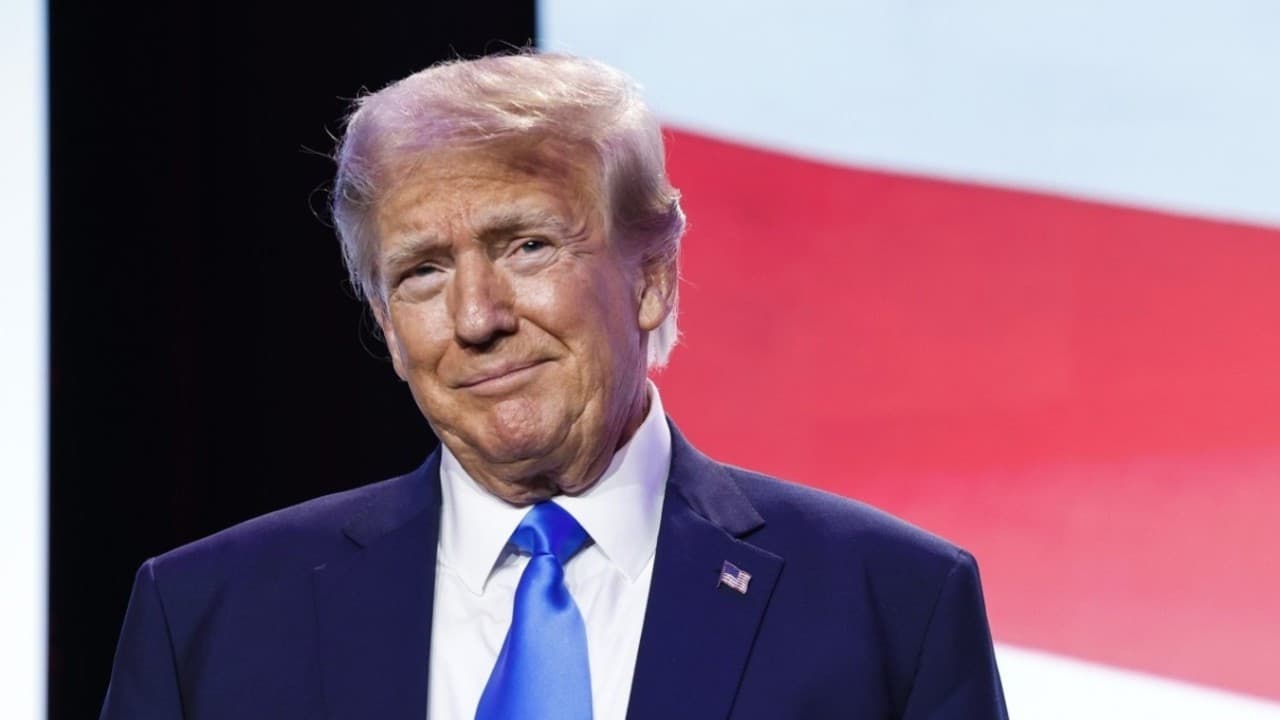
The state-level rebellion against the Trump administration's tariff policies has escalated into an unprecedented legal battle over US trade sovereignty. A coalition of 25 states has filed a coordinated lawsuit in the US Court of International Trade, alleging that the federal government has severely overstepped its legal authority.
Constitutional Overreach: The Battle Over Section 301 and Administrative Law
Led by California Attorney General Rob Bonta, Arizona Attorney General Kris Mayes, and Oregon Attorney General Dan Rayfield, the coalition argues that the tariffs implemented under Section 301 of the Trade Act of 1974 violate the Administrative Procedure Act. The plaintiffs contend that these tariffs lack genuine justification and are merely an attempt to bypass previous court rulings that struck down similar protectionist measures.
Inflationary Pressures and the Microeconomic Fallout
The legal challenge highlights the direct economic damage inflicted on American businesses and consumers. The key structural arguments presented in the lawsuit include:
The macroeconomic fallout of this escalating trade war directly pressures the banking sector and global financial architecture. This legal gridlock in the US is poised to contract global trade finance volumes, potentially raising risk-weighted assets (RWA) across banking portfolios. Bottlenecks in supply chain finance will inevitably strain liquidity within cross-border payment networks. As a result, banks' capital adequacy ratios (CAR) and net interest margins (NIM) may face downward pressure due to rising funding costs and shrinking transaction volumes. While innovations in digital payment systems continue to seek efficiencies, protectionist headwinds of this scale threaten to significantly slow down global capital velocity.
Related News & Analysis
View All →
South Korea’s Central Bank Turns to Domestic Gold Purchases: Implications for Markets

Forbes' Top 10 Rich List Reveals Wealth Shocks and Market Ripples

BIST 100 Slides 0.35% to Close Lower: Market Dynamics Unveiled

Georgian Refinery to Complete Shift from Russian Crude by September
U.S. Manufacturing Sector Surpasses Expectations: How Markets Will React

NNPC's September Crude Offers Set New Tone for African Oil Markets
Latest Market News
All News →
Yen Volatility Disrupts Asian FX Markets: Post-Intervention Uncertainty

Grid Revolution: Zach Dell’s Base Power Secures $1 Billion at a $13 Billion Valuation
Microsoft Stock Soars 15% as Azure Defies AI Spending Skepticism
Fed Loan Survey: Corporate Credit Demand Surges as Housing Market Softens